
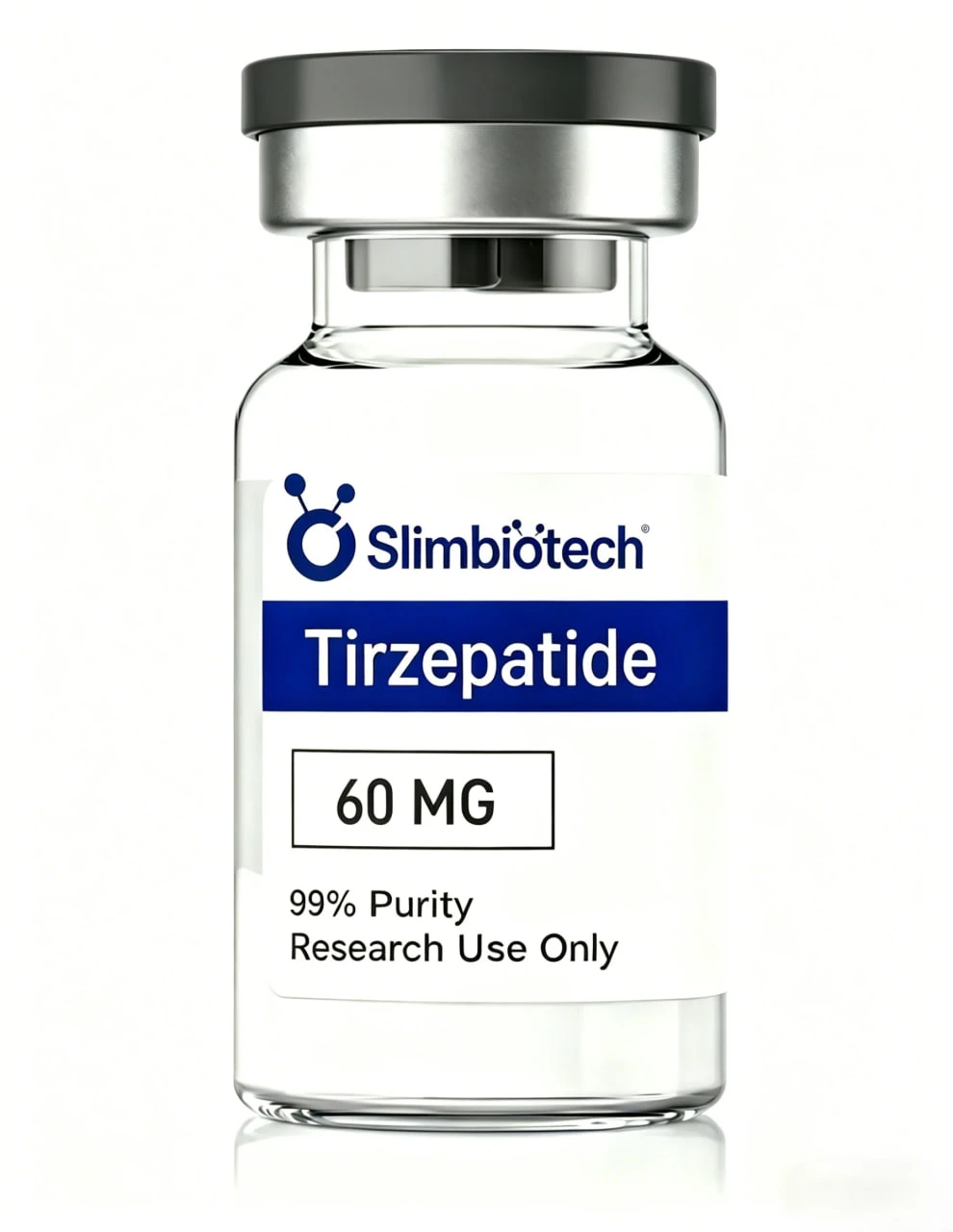
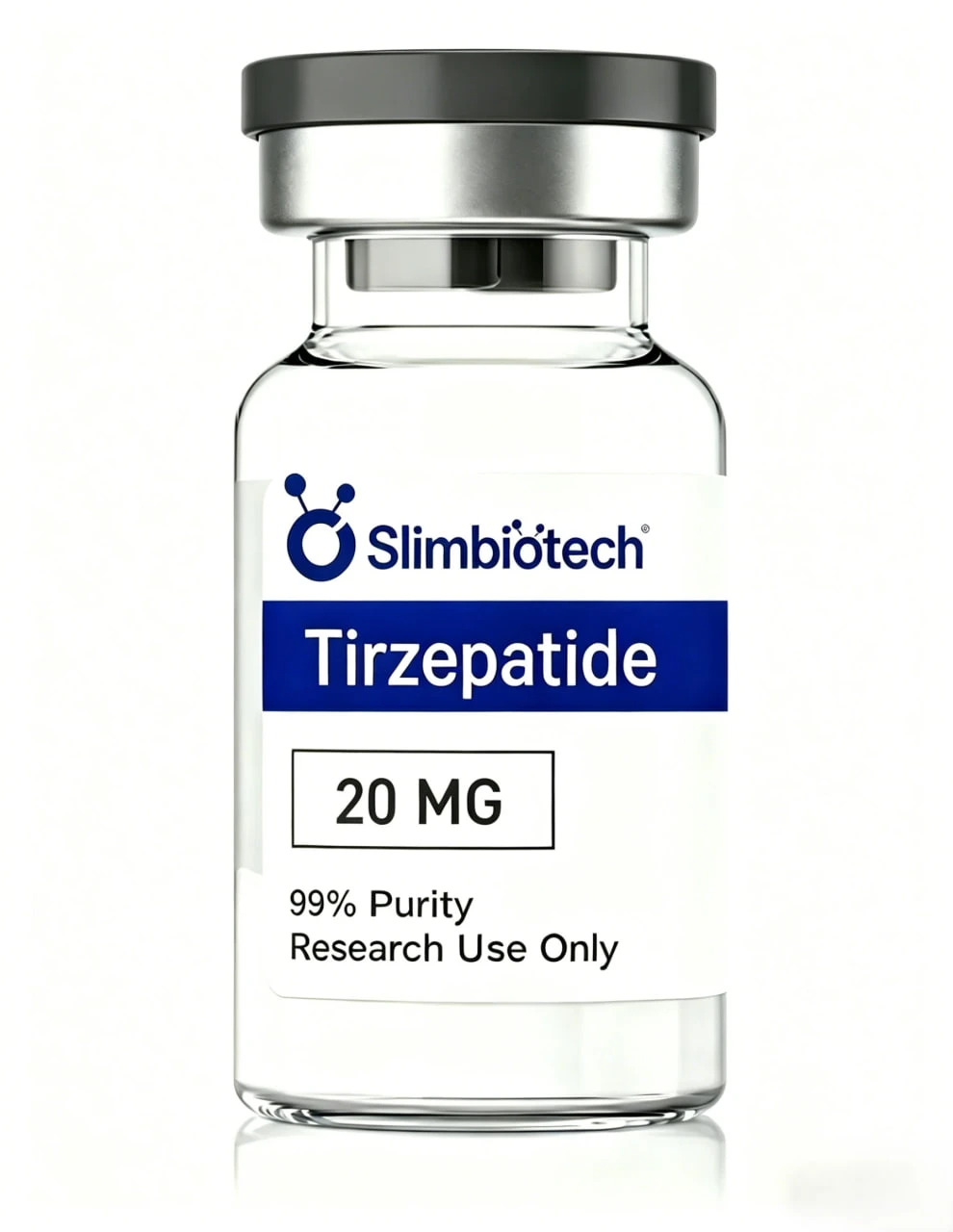
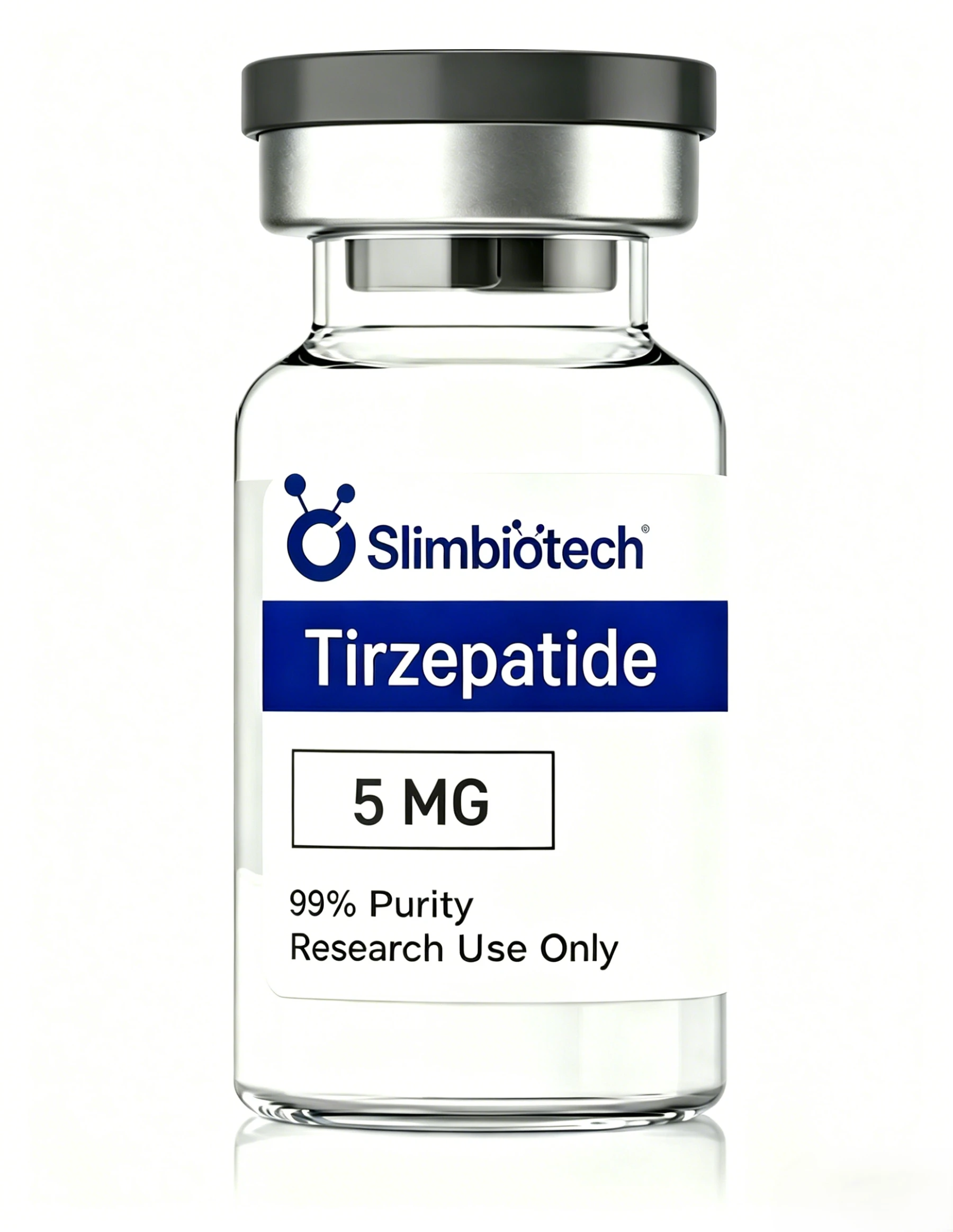
Tirzepatide 1kits (10Vials)
$30.00
You’re now subscribed to price tracking for this product. We’ll notify you if the price drops.
Fast Delivery
Quick, reliable shipping to any location.
Free & easy returns
Return this item by mail or in store within 90 days for a full refund.

Tirzepatide is a GIP/GLP-1 dual receptor agonist developed by Eli Lilly (the world’s first), marketed under the brands Mounjaro (diabetes), Zepbound (weight loss), and Mufengda® Tirzepatide Administration: Subcutaneous injection, once weekly (half-life approximately 5 days). Core Function: Dual effect of lowering blood sugar and reducing weight; one of the first-line drugs for metabolic syndrome. II. Mechanism of Action (Dual-Target Synergistic Effect) Simultaneously activates two incretin receptors, 1+1>2: GLP-1 Receptor Activation: Glucose-dependent insulinotropic secretion → Lowering blood sugar. Inhibition of glucagon, delaying gastric emptying → Enhancing satiety and reducing appetite. GIP Receptor Activation: Synergistically promotes insulin secretion and improves insulin sensitivity. Reducing visceral fat, regulating lipid metabolism, and reducing nausea III. Core Efficacy and Clinical Data 1. Blood Sugar Reduction (Type 2 Diabetes) HbA1c Reduction: 1.8%–2.0% (Superior to most single-target GLP-1 inhibitors). Suitable for: Type 2 diabetes patients with poor diet and exercise control, and comorbid obesity/cardiovascular disease. 2. Effective Weight Loss (Obesity/Overweight) Weight Loss: 15%–21% (72 weeks, up to 24 kg), approaching the effect of bariatric surgery. Suitable for: BMI ≥30 kg/m² (Obesity); BMI ≥27 kg/m² (Overweight) + at least 1 comorbidity (hypertension, dyslipidemia, diabetes, sleep apnea). 3. Comprehensive Metabolic Improvement Blood Lipids: Lowers triglycerides, increases high-density lipoprotein. Blood Pressure: Average reduction of systolic blood pressure by 4–6 mmHg. Fatty Liver: Significantly reduces liver fat content. Cardiovascular: Reduces the risk of major adverse cardiovascular events. 4. Other Indications Obstructive Sleep Apnea (OSA): Improvement of OSA associated with moderate to severe obesity (National Health Insurance Administration). IV. Dosage and Administration (Adults) Initial: 2.5 mg once weekly for 4 weeks. Regular: 5 mg → 7.5 mg → 10 mg → 12.5 mg → 15 mg (increases every 4 weeks). Usually used maintenance: 5–15 mg/week (10–15 mg is commonly used for weight loss). V. Common Side Effects and Contraindications 1. Common (mostly mild to moderate, lessening over time) Gastrointestinal: Nausea, diarrhea, vomiting, constipation (incidence approximately 30%–50%). Other: Headache, fatigue, hypoglycemia (when used in combination with hypoglycemic agents). 2. Contraindications Personal/family history of medullary thyroid carcinoma (MTC). Multiple endocrine neoplasia type 2 (MEN2). Contraindications: Hypersensitivity to telpotrebide or any of its components. Type 1 diabetes or diabetic ketoacidosis. 3. Contraindications for use with caution: History of pancreatitis, severe gastrointestinal disease, gallbladder disease, renal insufficiency. VI. Comparison of Advantages (vs. smegglutide) Stronger weight loss: telpotrebide 15%–21%; smegglutide approximately 15%. Comparable or better blood sugar control. Slightly lower incidence of nausea (GIP receptors can alleviate GLP-1-related nausea).